
How to Spot Fake Masalas and Choose the Right One
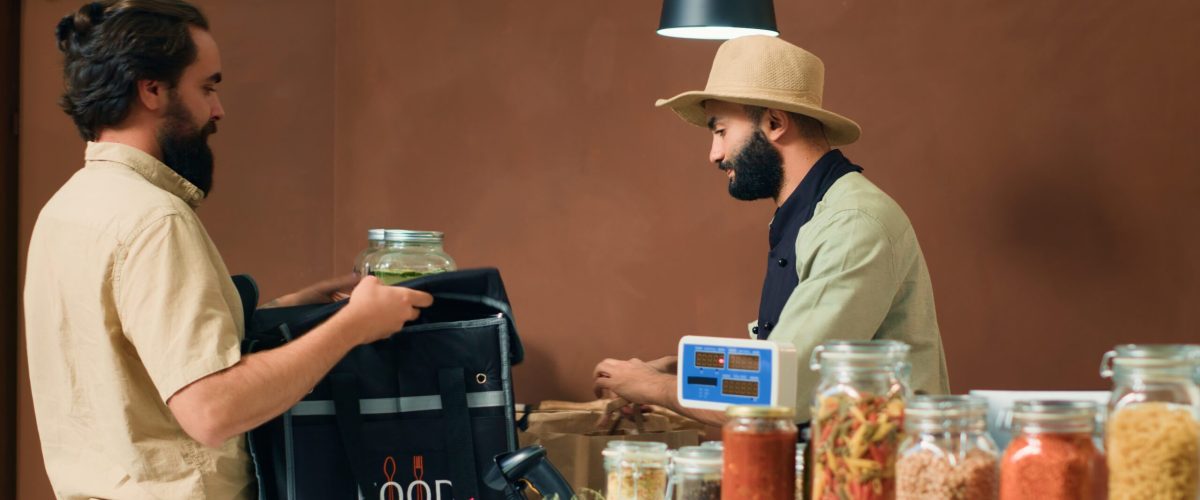
Spices and masalas are at the heart of Indian cooking, adding flavor, aroma, and nutrition to our meals. But the sad truth is that fake and adulterated masalas are flooding the market. From turmeric laced with lead chromate to chili powder mixed with brick dust, adulteration is not only a betrayal of consumer trust but also a serious health hazard.
As global demand for Indian spices grows, so does the malpractice. According to the Food Safety and Standards Authority of India (FSSAI), adulteration in spices is among the top food safety concerns. For importers, distributors, and everyday consumers, knowing how to identify authentic masalas is now more important than ever.
In this article, we’ll explain how to spot fake masalas, explore real-life case studies, and share tips on choosing authentic products. We’ll also highlight how companies like Petros Global Exim Company maintain strict quality standards to ensure that every masala you buy is 100% pure and safe.
Why Fake Masalas Are a Growing Problem
a) Rising Demand and Malpractices
India is the world’s largest producer and exporter of spices, accounting for 75% of global spice trade. With such high demand, unethical suppliers cut corners to increase profits:
- Mixing low-cost fillers (rice flour, starch, chalk powder).
- Adding harmful artificial colors to enhance appearance.
- Using expired or poor-quality raw materials.
b) Health Hazards of Adulterated Masalas
Fake masalas don’t just reduce flavor—they damage health:
- Turmeric with lead chromate → Causes kidney & liver damage.
- Chili powder with brick powder → Damages digestive system.
- Artificial colorants → Linked to hyperactivity in children.
For businesses importing masalas, being linked with adulterated products can also destroy brand reputation.
Common Adulteration in Masalas
Let’s look at the most common types of spice adulteration:
Turmeric
Turmeric, prized for its bright yellow color and health benefits, is one of the most commonly adulterated spices in the market. Some suppliers mix lead chromate into turmeric to enhance its color, making it look more vibrant and appealing. While this may deceive the eye, it is extremely hazardous to health. Lead chromate is toxic to the liver and kidneys and can accumulate over time, leading to chronic health issues. Authentic turmeric should have a deep golden-yellow hue without unnatural brightness and should retain its characteristic earthy aroma. Purchasing from trusted sources ensures chemical-free, pure turmeric, preserving both its flavor and health benefits.
Chili Powder
Chili powder is often adulterated with brick powder or salt powder to increase volume and deepen the red color. Such adulteration not only compromises the spice’s flavor but also poses serious digestive risks, including irritation, stomach pain, and long-term gastrointestinal issues. High-quality chili powder should have a natural, vibrant red color, a strong pungent aroma, and a slightly coarse texture. Buying from certified suppliers guarantees that you get pure chili powder without harmful additives, ensuring safety for consumption.
Coriander Powder
Coriander powder is frequently mixed with starch or soapstone to increase its bulk. While this may reduce production costs for sellers, it dilutes the nutritional value and can cause digestive problems for consumers. Authentic coriander powder should have a light brown-green color, a fragrant aroma, and a slightly coarse texture. Consuming pure coriander powder ensures that you retain all its natural vitamins, antioxidants, and flavor, making your dishes both healthy and tasty.
Garam Masala
Garam masala, a complex blend of spices, is especially vulnerable to adulteration because it combines multiple ingredients. Some unethical suppliers use expired spices or even sawdust to cut costs. Such practices compromise not only taste and aroma but also overall nutrition and food safety, posing potential health hazards. High-quality garam masala should be aromatic, slightly coarse, and free from any foreign particles. Reputable exporters, like Petros Global Exim Company, follow strict quality checks to ensure that every batch of garam masala is pure, fresh, and safe for consumption.
Black Pepper
Black pepper, often called the “king of spices,” is sometimes adulterated with dried papaya seeds, a cheaper substitute that looks similar to peppercorns. While it may pass visual inspection, consuming such adulterated pepper can cause stomach upsets and digestive discomfort. Genuine black pepper should be uniform in size, have a pungent aroma, and a strong, sharp taste. Sourcing from certified suppliers ensures that you get 100% authentic black pepper with all its flavor and health benefits intact.
How to Identify Fake Masalas
Detecting fake or adulterated masalas is crucial for protecting your health and ensuring authentic flavor in your dishes. While adulteration is widespread, there are several practical methods that both consumers and businesses can use to identify pure spices.
a) Simple At-Home Tests
Even without a lab, you can perform basic tests at home to spot fake masalas:
- Turmeric Test: Mix a small amount of turmeric powder in warm water. If you notice sediment settling at the bottom with a very bright yellow residue, it may contain lead chromate, a toxic additive used to artificially enhance color. Authentic turmeric dissolves evenly and retains its natural golden-yellow hue, without leaving unusual residues.
- Chili Powder Test: Sprinkle a pinch of chili powder in water. If a bright red streak spreads on the surface, it likely contains artificial coloring. Pure chili powder should retain its natural deep red color and mix uniformly without creating streaks or unnatural dyes.
- Coriander Powder Test: Add a few drops of iodine solution to coriander powder. If the powder turns blue or black, it indicates the presence of starch adulteration, which is commonly used to increase bulk. Authentic coriander powder will not react with iodine and maintains its light brown-green color and natural aroma.
Performing these simple checks can help prevent the consumption of harmful additives and ensure your dishes retain their intended flavor and nutritional benefits.
b) Packaging and Label Checks
Checking the packaging and labels is one of the most reliable ways to assess masala authenticity:
- Look for FSSAI or ISO certifications, which indicate that the product meets national and international food safety standards. Certified brands undergo regular testing for purity, hygiene, and quality.
- Always verify the manufacturing and expiry dates. Adulterated masalas sometimes use expired spices or repackage old stock to increase shelf life deceptively. Fresh spices not only taste better but also retain their health benefits like antioxidants and essential oils.
- Avoid buying loose masalas from unverified sources. Unbranded or unpackaged powders are more likely to be contaminated or mixed with fillers, as there is no traceability or quality control.
c) Taste and Aroma
The taste and aroma of a masala can reveal a lot about its authenticity:
- Pure spices have a strong, distinctive aroma and a full-bodied flavor. For example, genuine garam masala smells fragrant, black pepper is pungent, and chili powder has a natural sharp heat.
- Adulterated masalas often smell faint, musty, or artificial because fillers, artificial colors, or expired ingredients dilute the natural fragrance. A slight difference in aroma can be an early warning sign that the spice has been tampered with.
- Trust your senses: if a masala tastes bland or chemically, it is best to avoid it, as it may contain fillers, artificial colors, or expired ingredients that compromise both safety and flavor.
By combining simple at-home tests, careful label scrutiny, and sensory evaluation, consumers and businesses can confidently identify authentic masalas. For reliable quality assurance, sourcing from trusted exporters like Petros Global Exim Company ensures that every spice is lab-tested, hygienically processed, and fully certified, giving you both safety and flavor in every dish.
Case Study: The 2023 Spice Adulteration Scandal
In 2023, a leading spice brand in India was banned in Singapore and Hong Kong after their masala samples tested positive for ethylene oxide, a cancer-causing chemical.
- The news spread rapidly, and the company faced a 50% drop in exports within months.
- Importers and retailers pulled back, resulting in millions in losses.
This case highlighted the urgent need for multi-level quality checks before products hit the global market.
At Petros Global Exim Company, all masalas undergo strict laboratory testing to eliminate any possibility of such contaminants, ensuring safe products for both domestic and international consumers.
How to Choose Authentic Masalas
a) Buy from Trusted Exporters
Always source from licensed exporters with international certifications. Trusted companies maintain transparency and follow strict hygiene practices.
b) Prefer Packaged Over Loose Masalas
Branded packaged masalas ensure batch testing and traceability, unlike loose powders which can be easily adulterated.
c) Look for Certifications
Authentic exporters provide certifications like:
- FSSAI (India)
- ISO 22000
- HACCP (Hazard Analysis and Critical Control Points)
- Export Inspection Council approvals
The Petros Global Exim Company Approach
While many traders focus on volume, Petros Global Exim Company emphasizes quality and trust. Our approach includes:
- Multi-stage quality checks at procurement, processing, and packaging.
- Hygienic facilities ensuring zero contamination.
- International certifications to meet global market standards.
- Traceability systems so buyers know the exact source of raw spices.
This not only protects consumer health but also safeguards the reputation of importers and retailers who rely on us.
Why Authentic Masalas Are Worth the Investment
- Better Flavor → Natural spices enhance taste.
- Health Benefits → Authentic masalas retain antioxidants and nutrients.
- Trust & Reputation → Businesses selling pure masalas build lasting customer loyalty.
A cheap fake masala may save money short-term, but the long-term damage to health and reputation far outweighs the cost savings.
Conclusion
Fake masalas are more common than most people realize, and the consequences for health and business are serious. By learning to identify adulterated spices, consumers can protect their families, and traders can protect their businesses.
The best solution is to partner with reliable exporters who prioritize safety and quality. At Petros Global Exim Company, our mission is to deliver authentic, lab-tested masalas that bring true flavor and trust to your kitchen.
FAQs
Fake masalas are adulterated spices mixed with harmful fillers, colors, or substitutes to increase weight or improve appearance.
You can perform simple water or iodine tests, check for unusual color streaks, and always verify certifications on packaging.
Artificial colors such as lead chromate and Sudan dye can cause cancer, kidney damage, and digestive issues.
Not recommended. Loose masalas are highly prone to adulteration and contamination. Always prefer branded packaged masalas.
Because they ensure lab-tested, certified, and 100% authentic masalas with hygienic packaging and international compliance.